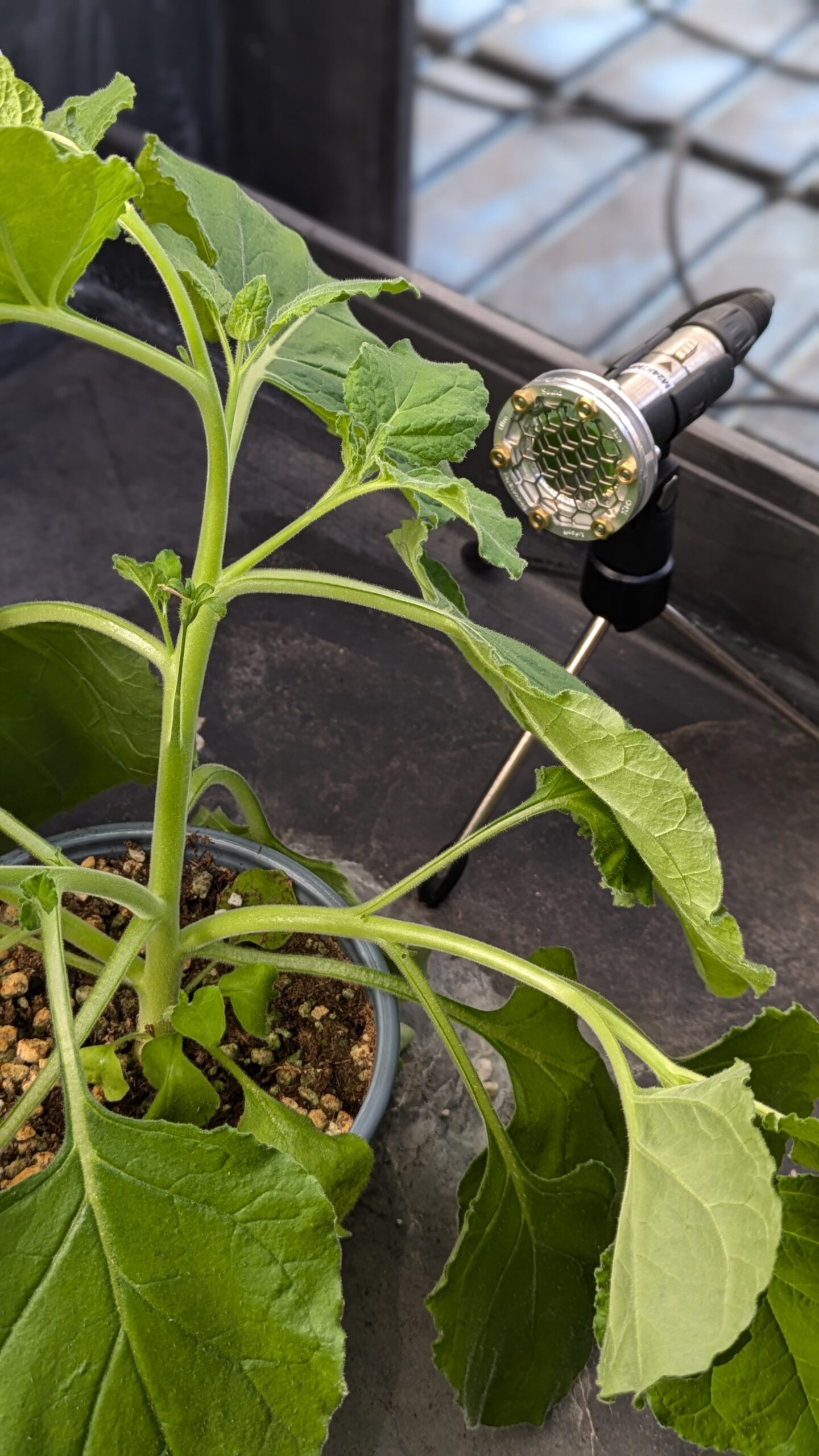
Background As the destruction of biodiversity and climate change threaten to endanger life on Earth, the intersections between Art and Science offer new tools to combat this crisis. Beyond interventions to reduce the ecological footprint, it is necessary to transform our mentality regarding the environment. The Anthropocene era calls for a paradigm shift when rethinking the relationships between species.
The evidence of the climate crisis marks a turning point in the human gaze, which now turns to "others" involved in this crisis: what should be the relationships with other species that make their survival viable? The environmental challenge requires a recognition of the interdependencies between living organisms, giving way to a post-human ethic that assumes as reference not the individual, but the relationship. An ethic that inspires new models of assembly between the natural and technological worlds that anthropocentric logic keeps separate.
From Science, there is abundant research on the customs and needs of non-human living beings, as well as their role in the biosphere. In the social sphere, many organizations propose considering non-human living beings as subjects of law and not as mere resources, developing a post-humanist ethic that recognizes the importance of the interconnection between all living beings.